
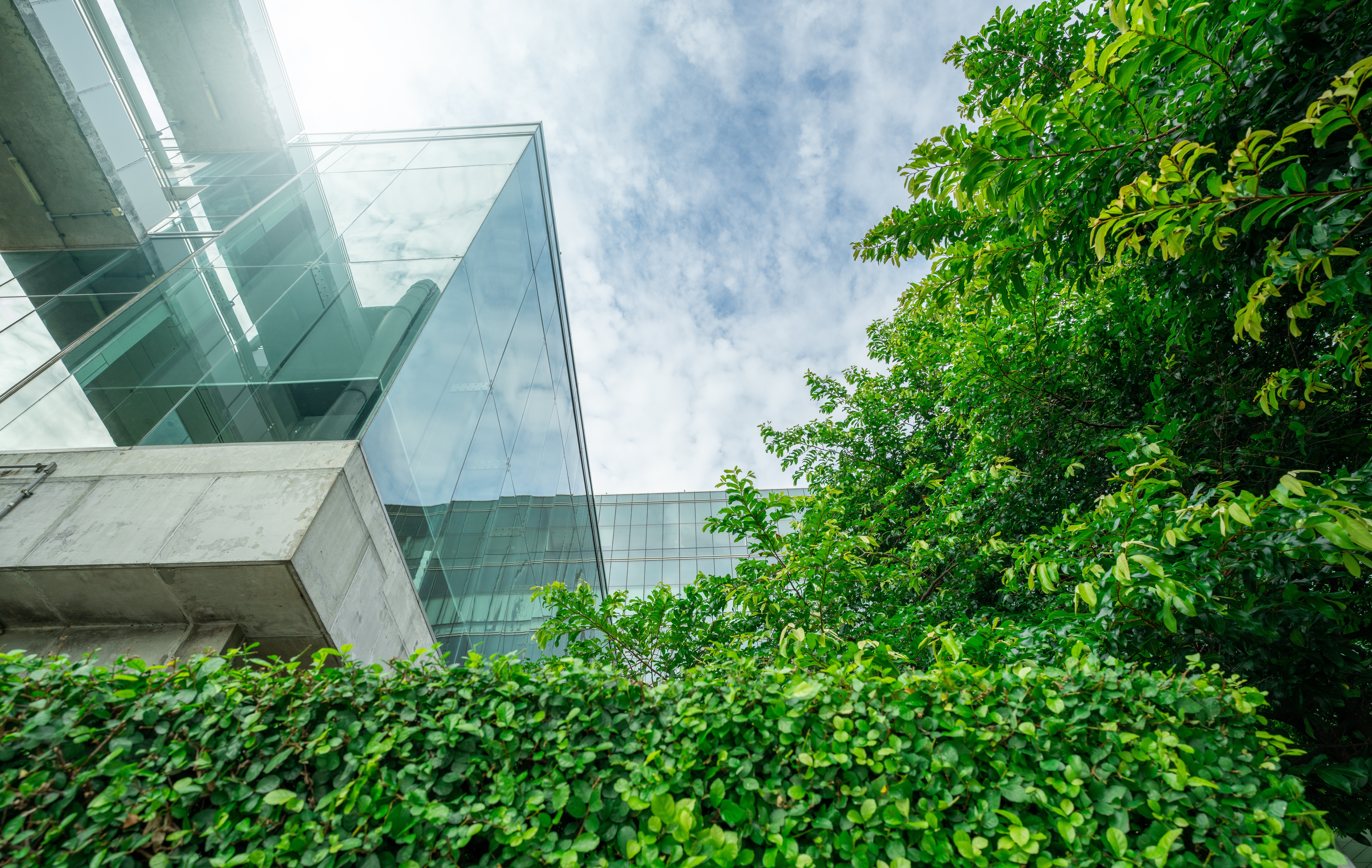
In 2024, arboriculture is not just about pruning branches or planting saplings. It’s an art form, a science, and a crucial element in combating climate change. While some might think tree care is a mundane task best left to enthusiasts in plaid shirts, it’s a field bursting with innovation and relevance. Let’s dig into why arboriculture matters more than ever.
Green Guardians: The Role of Trees in Climate Change
Trees are the unsung heroes of our battle against climate change. With carbon levels skyrocketing, each tree acts as a carbon sink, absorbing CO2 and releasing oxygen. According to the Arbor Day Foundation, a single mature tree can absorb 48 pounds of carbon dioxide annually. Multiply that by the estimated 3 trillion trees on Earth, and you’ve got nature’s very own air purifier.
Urban Jungle: Trees in City Planning
Urban arboriculture is a growing trend (pun intended). Cities are increasingly integrating green spaces into their concrete jungles. Research by the U.S. Forest Service shows that urban trees reduce energy costs by $4 billion annually by providing natural cooling. This isn’t just about aesthetics; it’s a strategic move to combat urban heat islands and improve air quality.
Economic Branches: The Financial Benefits of Trees
Who knew trees could be so lucrative? Arboriculture contributes significantly to local economies. From timber production to tourism, the green industry is worth billions. A study by the University of Washington found that homes with well-maintained trees can see a property value increase of up to 15%. So, that oak in your front yard is not just shade—it’s an investment.
Tech and Trees: Innovations in Arboriculture
2024 brings tech into the treetops. Drones, GIS mapping, and tree health sensors are transforming how arborists monitor and manage forests. According to Tree Care Industry Association, tech advancements have increased efficiency by 30%, making tree care smarter and more effective.
Expert Commentary: Voices from the Canopy
Dr. Sylvia Greenleaf, a renowned arborist, notes, “Arboriculture is pivotal in maintaining biodiversity. Trees support over 80% of terrestrial life forms. The focus should not only be on planting more trees but also on preserving and nurturing existing ones.” Her insights underscore the importance of both conservation and innovation in tree care.
Rooted in Reality: Challenges and Solutions
Despite its benefits, arboriculture faces challenges. Climate change, pests, and diseases threaten global forests. However, integrated pest management and genetic research offer solutions. By developing pest-resistant tree varieties and using sustainable practices, arborists are fighting back.
Conclusion: Tree-mendous Future Ahead
Arboriculture in 2024 is a dynamic, essential field that merges tradition with innovation. From fighting climate change to enhancing urban living and boosting economies, the importance of tree care cannot be overstated. So next time you walk by a tree, give it a nod of respect—it’s working harder than you might think.
This article not only celebrates the pivotal role of arboriculture but also highlights the modern advancements and ongoing challenges, all while keeping the tone light and engaging. Trees are no longer just part of the background; they are key players in our future.





Leave a Reply