
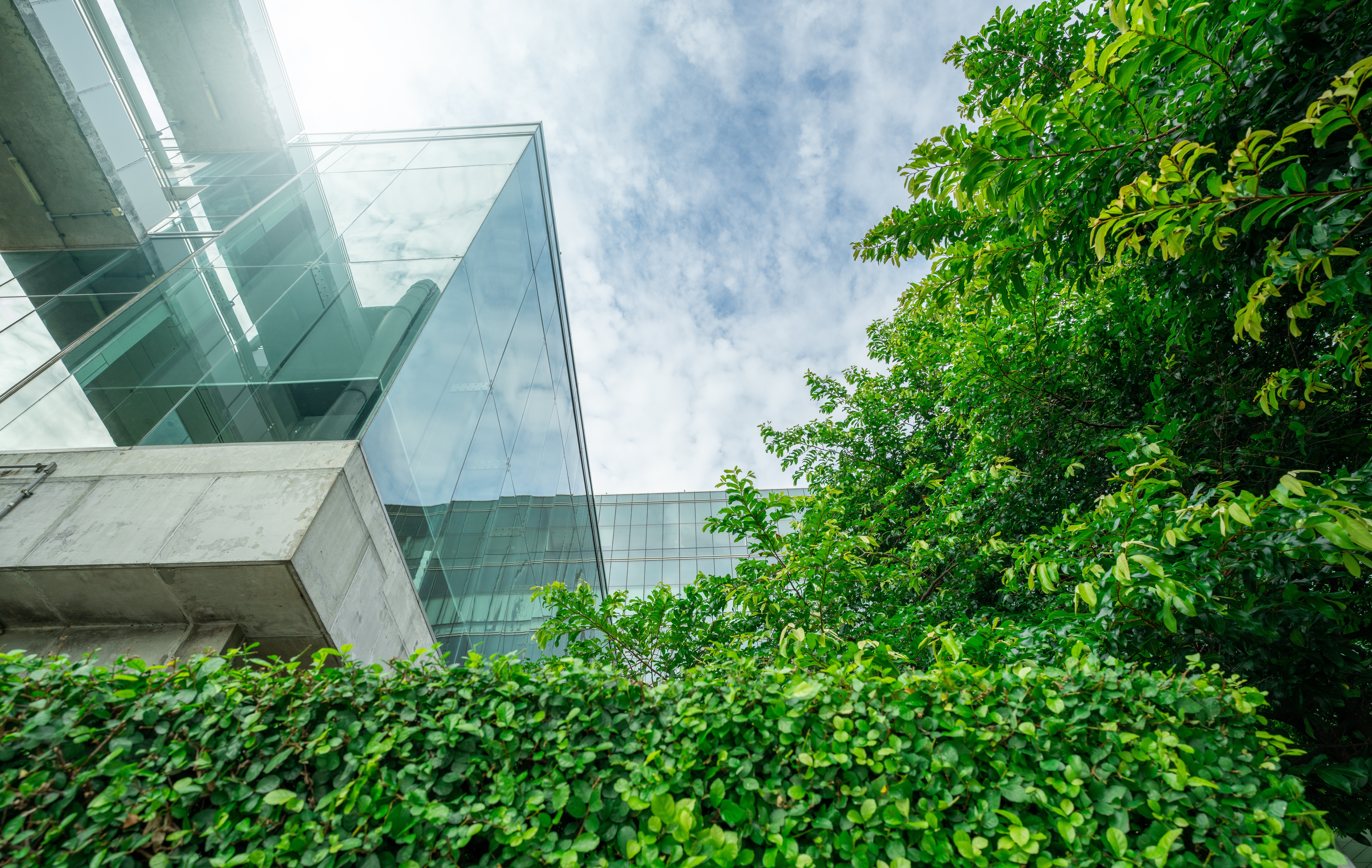
In 2024, the world of landscape design and grounds maintenance is evolving with innovative trends and sustainable practices. Whether you’re a homeowner seeking to revamp your garden or a professional landscaper, staying abreast of these changes can transform your outdoor spaces. Let’s explore the key trends and expert insights shaping this industry.
Embracing Sustainability
Sustainability is no longer a buzzword; it’s a necessity. Modern landscape design emphasises eco-friendly practices such as using native plants, which require less water and provide habitats for local wildlife. According to landscape architect Jane Green, “Incorporating drought-resistant plants and organic gardening methods not only helps the environment but also reduces maintenance costs in the long run.”
Smart Technology Integration
The integration of smart technology is revolutionising grounds maintenance. Automated irrigation systems, robotic lawn mowers, and smart lighting are becoming standard features. These innovations save time, conserve resources, and enhance the overall efficiency of landscape management. As tech enthusiast and garden expert Tom Bloomfield notes, “Smart tech allows homeowners to maintain lush gardens with minimal effort, making it perfect for our busy lifestyles.”
Edible Landscaping
Combining beauty with functionality, edible landscaping is gaining popularity. This trend involves integrating fruit trees, vegetable patches, and herb gardens into traditional landscape designs. Not only does this provide fresh produce, but it also promotes a sustainable lifestyle. “Edible landscapes are a win-win,” says horticulturist Sara Thompson. “They offer visual appeal and the joy of homegrown food.”
Biodiversity Boost
Biodiversity is at the forefront of contemporary landscape design. Creating diverse plant environments attracts beneficial insects and birds, enhancing the ecological balance. Landscape designer Mark Willow highlights, “A biodiverse garden is healthier and more resilient. It supports the local ecosystem while adding dynamic visual interest.”
Low-Maintenance Landscapes
With our hectic schedules, low-maintenance landscapes are more appealing than ever. Designs featuring hardy perennials, ground covers, and mulch not only look great year-round but also require minimal upkeep. “Low-maintenance doesn’t mean boring,” assures garden designer Lily Hart. “It’s about smart choices that offer beauty without constant effort.”
Conclusion
Landscape design and grounds maintenance in 2024 are characterised by sustainability, smart technology, functionality, biodiversity, and low-maintenance solutions. By embracing these trends, you can create outdoor spaces that are not only beautiful and enjoyable but also eco-friendly and easy to maintain.
Whether you’re a DIY enthusiast or a professional, these insights can help you navigate the exciting world of modern landscaping. So, roll up your sleeves, get creative, and transform your outdoor space into a haven of beauty and sustainability.
By incorporating expert insights, factual findings, and engaging content, this article aims to provide a comprehensive and entertaining look at the current trends in landscape design and grounds maintenance.
Continued in 2025
The Landscape Design Industry in 2025
The landscape design industry in 2025 is experiencing sustained growth and transformation, driven by changing lifestyle preferences, heightened environmental awareness, and rapid technological advancement. Demand for high-quality outdoor environments has expanded across residential, commercial, and public sectors, positioning landscape design as a key contributor to sustainability, community well-being, and climate resilience. This report examines the current market landscape, key trends and challenges, the role of technology and artificial intelligence, and the future outlook for professionals within the industry.
Market Growth and Financial Performance
The global landscape design and services market demonstrates strong financial health. In the United States, the industry is estimated to reach a market size of approximately $184.1 billion in 2025, with projected annual revenue growth of 3.2 per cent. Profitability remains robust, with average industry profit margins of around 11.9 per cent, reflecting consistent demand and operational maturity.
In the United Kingdom, the outlook is similarly positive. Over 76 per cent of landscape businesses anticipate revenue growth, supported by increased public and private investment in green infrastructure and outdoor spaces. This growth is underpinned by policy emphasis on environmental enhancement, urban regeneration, and climate adaptation.
Key Drivers and Industry Trends
One of the most influential drivers of growth is the continued demand for outdoor living environments. Landscapes are increasingly designed as extensions of the home or workplace, incorporating outdoor kitchens, dining areas, play zones, and garden offices. These multifunctional spaces reflect lifestyle changes accelerated by remote working and post-pandemic priorities.
Sustainability has become central to contemporary landscape design. There is strong emphasis on native planting, water-wise designs, and the use of eco-friendly materials such as porcelain paving. In the UK, Biodiversity Net Gain (BNG) legislation is further stimulating demand for diverse planting schemes and habitat creation, embedding ecological value into development projects.
Technological adoption is also reshaping the sector. Cloud-based collaboration tools, smart lighting and sound systems, and AI-assisted design software are increasingly integrated into professional workflows, improving efficiency, consistency, and scalability.
Design Aesthetics and Functional Approaches
Design aesthetics in 2025 reflect both environmental responsibility and refined visual intent. Multifunctional zoning allows landscapes to support work, leisure, and social interaction within a single coherent space. Designers are also embracing the strategic use of negative space, deliberately incorporating open or minimalist areas to enhance visual clarity and highlight planting and views.
Bold contrasts in colour and texture are increasingly visible, influenced in part by digital design and marketing trends. These visual strategies translate into vibrant planting palettes and striking material choices within physical landscapes.
Challenges Facing the Industry
Despite strong growth, the landscape design industry faces notable challenges. Labour shortages remain a significant concern, prompting many firms to increase wages and invest in staff retention and training. Rising material costs represent another major risk, particularly for hard landscaping elements.
To address these pressures, businesses are increasingly focusing on operational efficiency. The adoption of software platforms and AI-driven tools enables improved project management, cost forecasting, and design productivity, helping firms to maintain margins despite external pressures.
The Role of Sustainability and Climate Resilience
Looking ahead, sustainability and climate resilience are defining priorities for the profession. Eco-conscious design practices prioritise native and drought-resistant planting, wildflower meadows, and habitat creation, reducing maintenance requirements while supporting biodiversity.
Biophilic design principles are also gaining prominence, integrating natural elements such as water, organic materials, and greenery to enhance human health and emotional well-being. At a strategic level, landscape designers are increasingly involved in climate adaptation, creating resilient spaces that manage stormwater, reduce urban heat, and contribute to carbon sequestration through green infrastructure.
Technology and Artificial Intelligence in Landscape Design
Artificial intelligence is becoming a transformative tool within the industry. AI enables rapid visualisation, producing realistic design renderings in minutes, and supports complex environmental analysis related to climate change mitigation and site performance. While AI improves efficiency and analytical capacity, human creativity, ethical judgement, and ecological understanding remain central to design quality.
A growing range of free and accessible digital tools is also expanding engagement with landscape design. Applications such as iScape, Planner 5D, Neighborbrite, SketchUp Free, PRO Landscape Companion, and DreamzAR allow users to visualise outdoor spaces through photo-based editing, AI-generated concepts, three-dimensional modelling, and augmented reality. These tools support both professional workflows and homeowner participation, although advanced features are often accessed through paid upgrades.
Social Impact and Urban Challenges
Urbanisation and increasing density have intensified the need for high-quality green spaces. Landscape designers are responding by repurposing existing structures and integrating green infrastructure into dense urban environments. Public landscapes now prioritise social and community outcomes, including recreation, physical activity, and social interaction through features such as trails, outdoor gyms, and communal green areas.
These developments highlight the expanding role of landscape professionals in public health, community cohesion, and environmental stewardship.
Career Outlook and Professional Evolution
The career outlook for landscape professionals remains strong, with steady employment growth projected as demand for sustainable and healthy environments increases. Landscape architects and designers are increasingly influential, moving beyond aesthetics to play key roles in environmental planning, policy advocacy, and climate action.
Professionals are adapting by embracing AI and digital tools while reinforcing core values centred on nature, ethics, and human-centred design. Advocacy for soil health, ecosystem services, and long-term environmental value is becoming an essential part of professional practice, even in the face of budgetary constraints.




Leave a Reply